



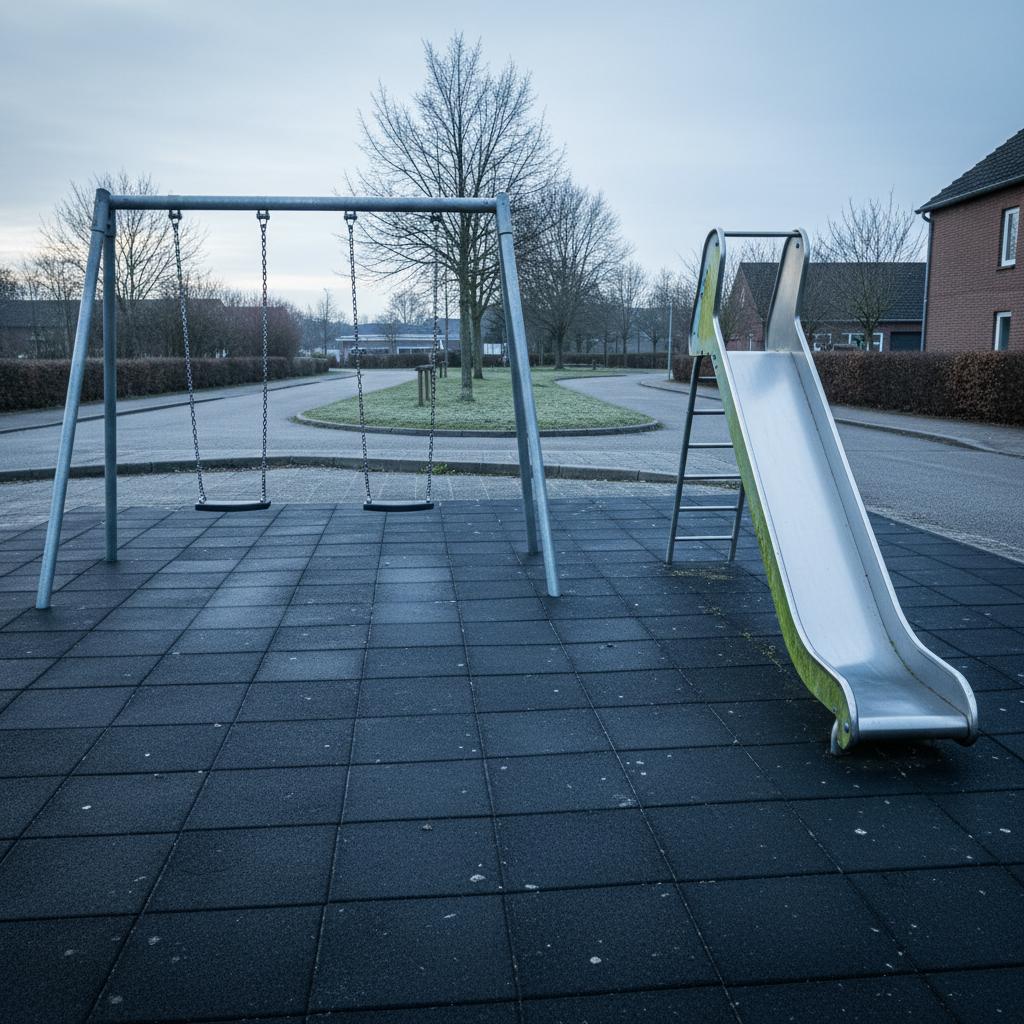
Playground Equipment Cleaning: What Municipalities Need to Know
Playground equipment sits outdoors year-round, exposed to rain, bird droppings, pollen, algae, mould, UV degradation, and thousands of small hands. For municipalities responsible for public playgrounds, regular cleaning is not optional — it is a safety and hygiene requirement that directly affects whether families use public spaces.
The good news is that playground cleaning is straightforward with the right approach and equipment. The challenge, as with most distributed municipal tasks, is logistics: playgrounds are scattered across the municipality, rarely near water taps, and need cleaning on a schedule that does not disrupt use.
Why Playground Cleaning Matters Beyond Aesthetics
Safety: Algae and mould on slides, platforms, and climbing surfaces create slip hazards. A child climbing a wet, algae-covered ladder is a liability event waiting to happen. Regular cleaning removes biological growth before it becomes dangerous.
Hygiene: Bird droppings carry bacteria (including E. coli and Salmonella). Mould spores trigger respiratory issues. Young children touch every surface and then touch their faces. Parents increasingly expect clean play environments — and avoid visibly dirty playgrounds.
Equipment longevity: Accumulated grime, biological growth, and moisture accelerate material degradation. Regular cleaning extends the service life of expensive playground installations by removing the agents that cause rot, corrosion, and UV-accelerated wear.
What to Clean and Pressure Settings
Metal slides and climbing frames (steel, aluminium): Medium pressure (100–130 bar), fan nozzle, 30–40cm distance. Metal handles the pressure well. Focus on joints, undersides, and horizontal surfaces where water pools and algae grows.
Plastic slides and panels (HDPE, polyethylene): Lower pressure (60–80 bar), wider fan pattern, 40–50cm distance. High pressure can scratch or cloud plastic surfaces. Pre-soak with a mild detergent for stubborn stains.
Wooden structures (treated timber): The most sensitive material. Low pressure (40–60 bar), wide fan only, minimum 50cm distance. Never use a turbo nozzle on wood — it strips fibres and creates splinter hazards. For heavy moss or algae on timber, apply a biocide treatment and let it work for 15–20 minutes before gentle rinsing.
Rubber safety surfacing (EPDM, wet-pour): Low-to-medium pressure (50–80 bar), wide fan. Rubber surfacing traps dirt in its texture. A combination of detergent pre-treatment and moderate pressure gives the best result without degrading the rubber.
Sand and gravel play areas: Pressure washing does not apply here, but the surrounding equipment and borders benefit from cleaning to prevent organic growth spreading onto surfaces.
The Logistics Challenge
Most municipalities manage 10–50+ playgrounds distributed across residential areas, parks, schools, and community centres. Almost none have a water tap within easy reach. Running hoses from the nearest building is time-consuming and creates trip hazards in the exact space where children play.
A self-contained mobile pressure washer eliminates this problem entirely. The unit carries 300–600 liters of water, its own pump, and deploys from any vehicle in minutes. One operator can clean 3–5 average playgrounds per day including transit time — compared to 1–2 with a hose-dependent setup.
Cleaning Schedule
Recommended minimums for public playgrounds: a full equipment wash quarterly (spring, summer, autumn, pre-winter). Monthly spot cleaning of high-touch surfaces (handrails, slide entries, swing chains) during peak usage season (April–September). Reactive cleaning after bird nesting season (heavy droppings), storms (accumulated debris), and any reported contamination.
Schools and childcare facilities may require monthly full cleaning during term time due to higher hygiene standards and more intensive use.
Documentation and Compliance
Many EU municipalities are required to document playground maintenance activities. Keeping a cleaning log with dates, sites cleaned, and any issues found serves both compliance and planning purposes. A mobile cleaning route that follows a fixed schedule makes documentation straightforward — the same list of sites, the same sequence, regular dates.
Equip your playground cleaning route: See the Foresteel PW-300 (compact, fits on UTVs and small vehicles) or the PW-600 (extended range for longer routes), or read our guide on mobile vs fixed pressure washing.


 Compact, efficient professional equipment