



How to Clean Bus Shelters Efficiently: A Practical Guide for Municipal Teams
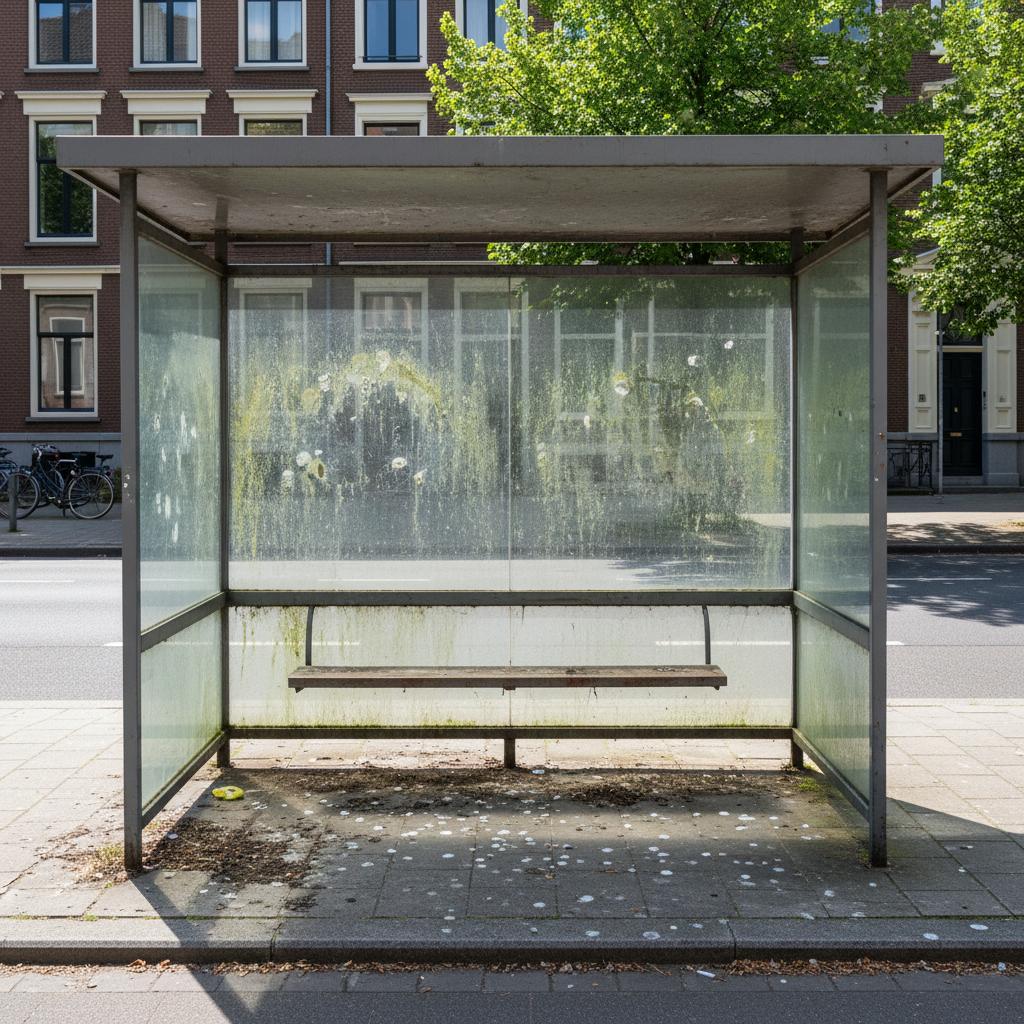
Bus shelters are among the most visible pieces of public infrastructure — and among the first to show neglect. Algae on glass panels, bird droppings on seats, grime on frames, and graffiti residue on surfaces. Residents notice. Commuters notice. And in many municipalities, the cleaning schedule is driven by complaints rather than prevention.
The challenge is not that bus shelters are hard to clean. A single shelter takes 15–20 minutes with the right equipment. The challenge is that most towns have 20, 40, or 100+ shelters spread across the entire municipality — and getting water and power to each one is where the real time disappears.
Why Bus Shelter Cleaning Takes So Long
The traditional approach: load a pressure washer onto a truck, drive to the first shelter, look for the nearest water tap, run a hose (sometimes 30+ meters), connect power if needed, clean the shelter, pack up, drive to the next one. Setup and breakdown at each stop often takes longer than the actual cleaning.
For a crew cleaning 40 shelters quarterly, this overhead compounds into full working days spent on logistics rather than cleaning. A 2-person crew using this method typically manages 6–8 shelters per day.
The Faster Approach: Self-Contained Mobile Cleaning
A self-contained mobile pressure washer carries its own water supply (300–600 liters), its own pump engine, and deploys in under 5 minutes at each stop. No searching for water taps. No running hoses across pavements. No extension cords.
The unit loads onto whatever vehicle is available — a UTV, pickup truck, van, or utility trailer. The operator drives to each shelter, parks, pulls out the hose, washes, retracts, and moves on. One person handles the full route.
Result: the same 40-shelter quarterly route takes 3 days with 1 person instead of 5–7 days with 2 people.
What to Clean and How
Glass panels: The most visible surface. Algae, water streaks, and grime build up fastest on the north-facing side. Use medium pressure (80–120 bar) with a fan nozzle at 30–40cm distance. Higher pressure risks cracking polycarbonate panels — check your shelter specification before using maximum settings.
Metal frames and roof: Aluminium and steel frames collect road dust, bird droppings, and mould. A wider fan pattern at moderate pressure handles this quickly. For anodised aluminium, avoid overly aggressive cleaning chemicals that strip the finish.
Seats and benches: Often the dirtiest element. Bird droppings, chewing gum residue, and general grime. A turbo nozzle at close range works well on concrete or metal seats. Wooden seats need lower pressure to avoid splintering.
Ground surface around the shelter: Chewing gum, cigarette stains, and accumulated dirt on the pavement. A surface cleaner attachment (rotating bar) covers flat areas faster than a hand lance.
Graffiti: Fresh graffiti comes off with a combination of chemical graffiti remover and pressure. Older, cured graffiti may need specialist treatment. Having a chemical dosing system on the pressure washer allows pre-treatment during the wash route.
Cleaning Schedule: How Often?
Most municipalities find a quarterly full clean keeps shelters presentable, with monthly spot checks on high-traffic stops (city centre, school routes, hospital). Some high-visibility locations may need monthly cleaning during summer when algae growth accelerates.
The key insight: regular quarterly cleaning is far faster than reactive cleaning after complaints. Grime that has been building for 6 months is significantly harder (and more expensive) to remove than a quarterly maintenance wash.
Choosing the Right Equipment
For bus shelter routes, the critical requirements are self-contained water supply (you will not find a tap at most bus stops), sufficient tank capacity for the route (a 300L unit handles 8–12 shelters per fill; a 600L unit covers 15–20), vehicle-agnostic mounting (forklift pockets let you move the unit between vehicles as fleet availability changes), and a chemical dosing option for pre-treatment of algae and graffiti.
Read more about mobile vs fixed pressure washing systems to understand when a mobile unit is the clear winner — and bus shelter routes are one of the strongest use cases.
Ready to streamline your shelter cleaning? Explore the Foresteel PW mobile pressure washer range or contact us with your route details for a configuration recommendation.


 Compact, efficient professional equipment