


A full-size 7,700 m² football pitch mowed and collected in 51 minutes, with the clippings packed into one trailer load. How a Tartu sports ground solved wet grass before matches.
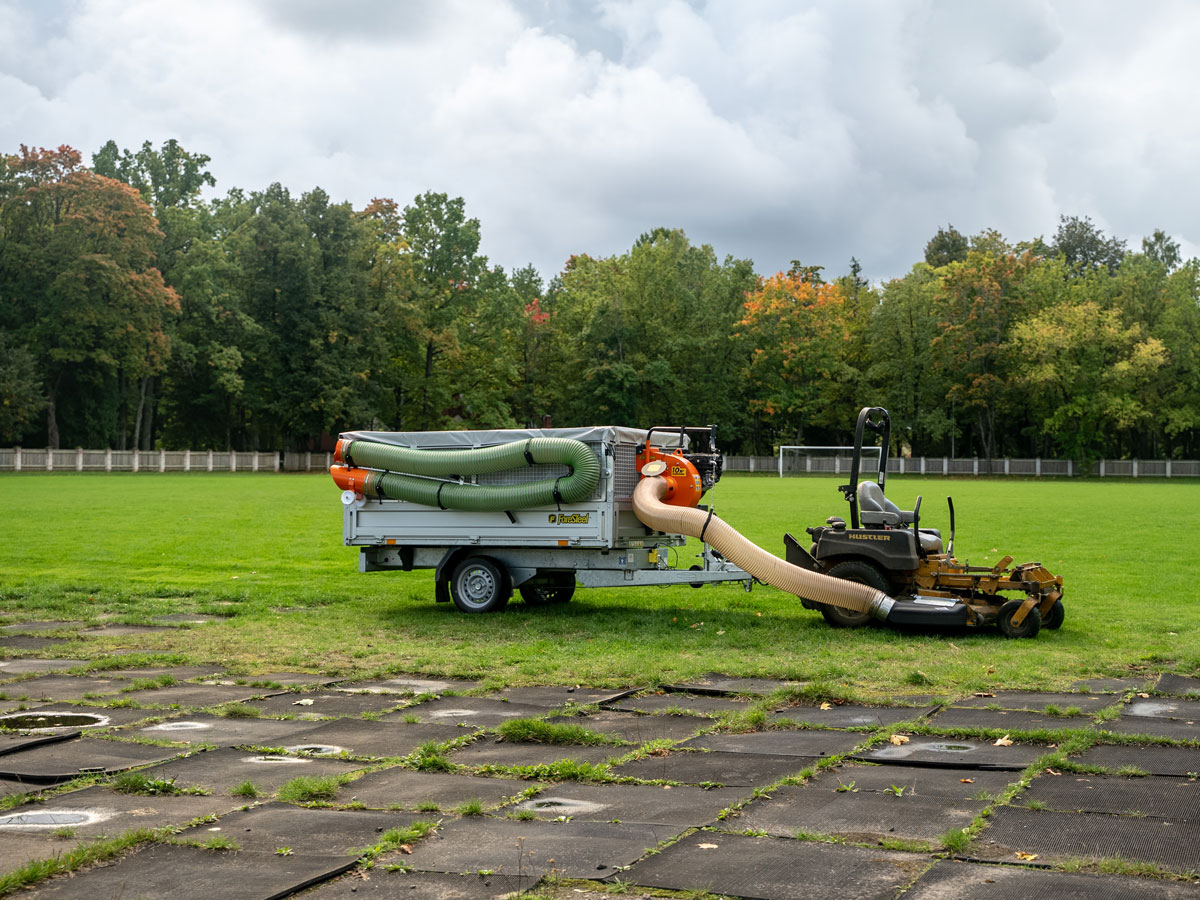

A full-size 7,700 m² football pitch mowed and collected in 51 minutes, with the clippings packed into one trailer load. How a Tartu sports ground solved wet grass before matches.

Foresteel launched in the UK at GroundsFest 2026 with Farm Tech Supplies. Visitors tested the FT-1600 leaf vacuum trailer with PROvac G2 debris loader in live suction demos.
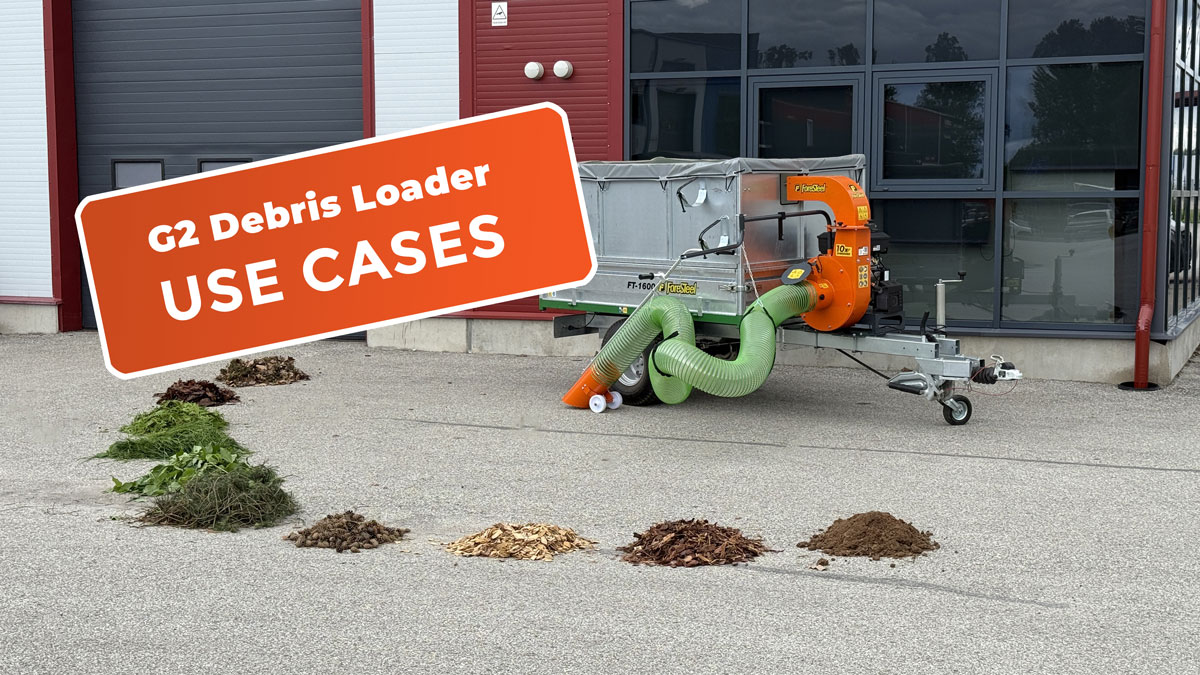
We Put a Camera Inside the Box and Vacuumed 15 Different Materials Most debris loader specifications give you horsepower and housing diameter. Neither answers the question you actually have: will it take the material on my site, and what happens to it once it does? So we mounted a camera inside the tipper box of […]
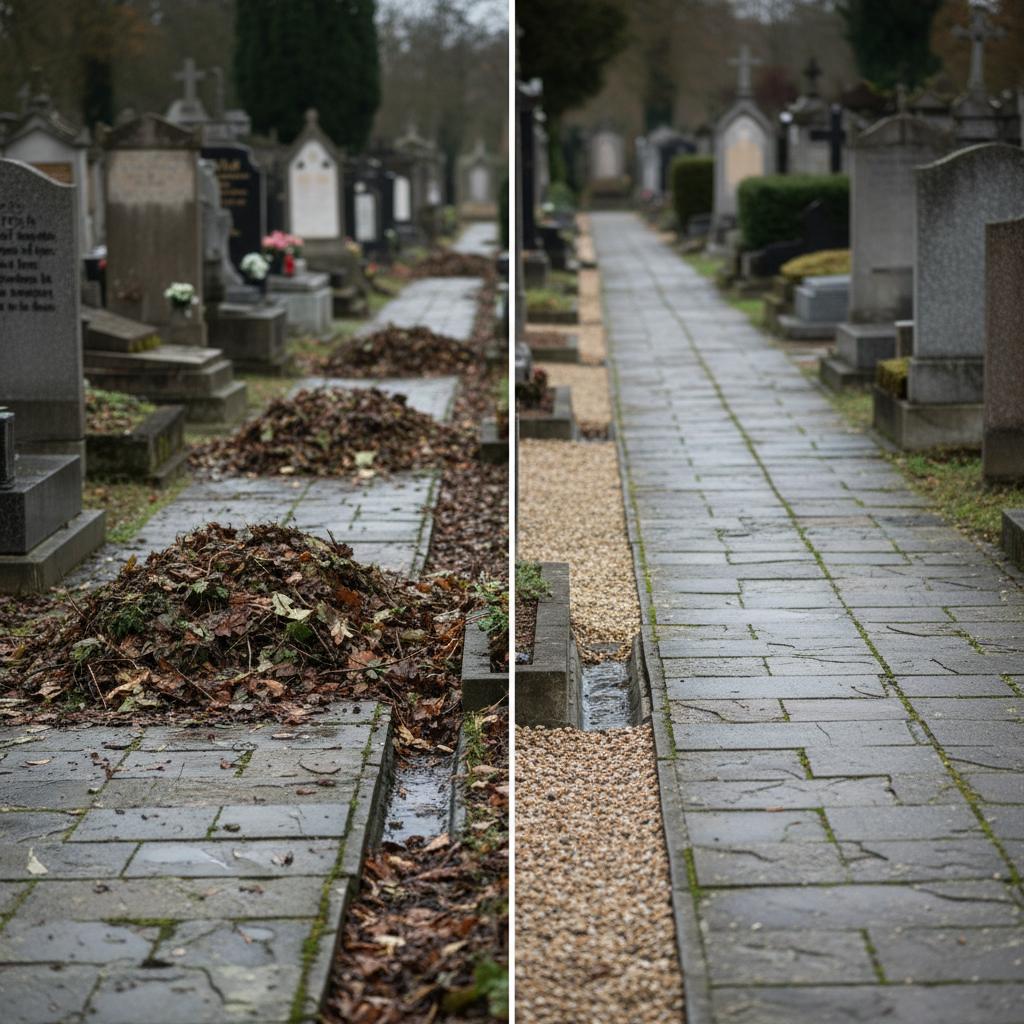
Most municipalities upgrade from manual methods in stages. Here is the typical path — from raking and blowing to vacuum collection — and the decision points at each stage.

The purchase price of a debris loader is roughly 30–40% of its total cost over a 10-year service life. Understanding where real costs accumulate helps you make better buying and maintenance decisions.
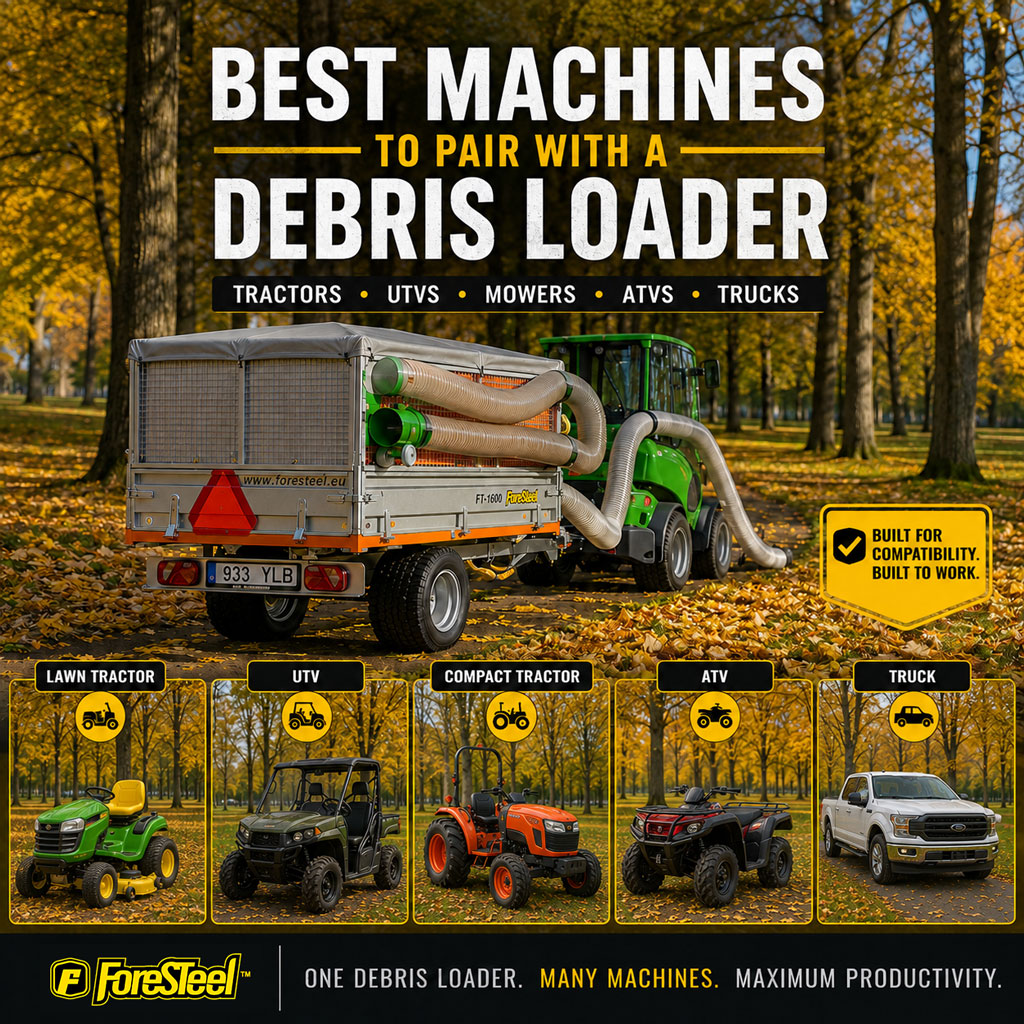
The performance of a debris loader or leaf vacuum trailer depends as much on the tow vehicle as on the vacuum unit itself. Here is how each common tow vehicle matches with professional leaf collection equipment.

Inefficient leaf cleanup operations usually fail for predictable reasons. Here are the seven most common mistakes and how to avoid each one.
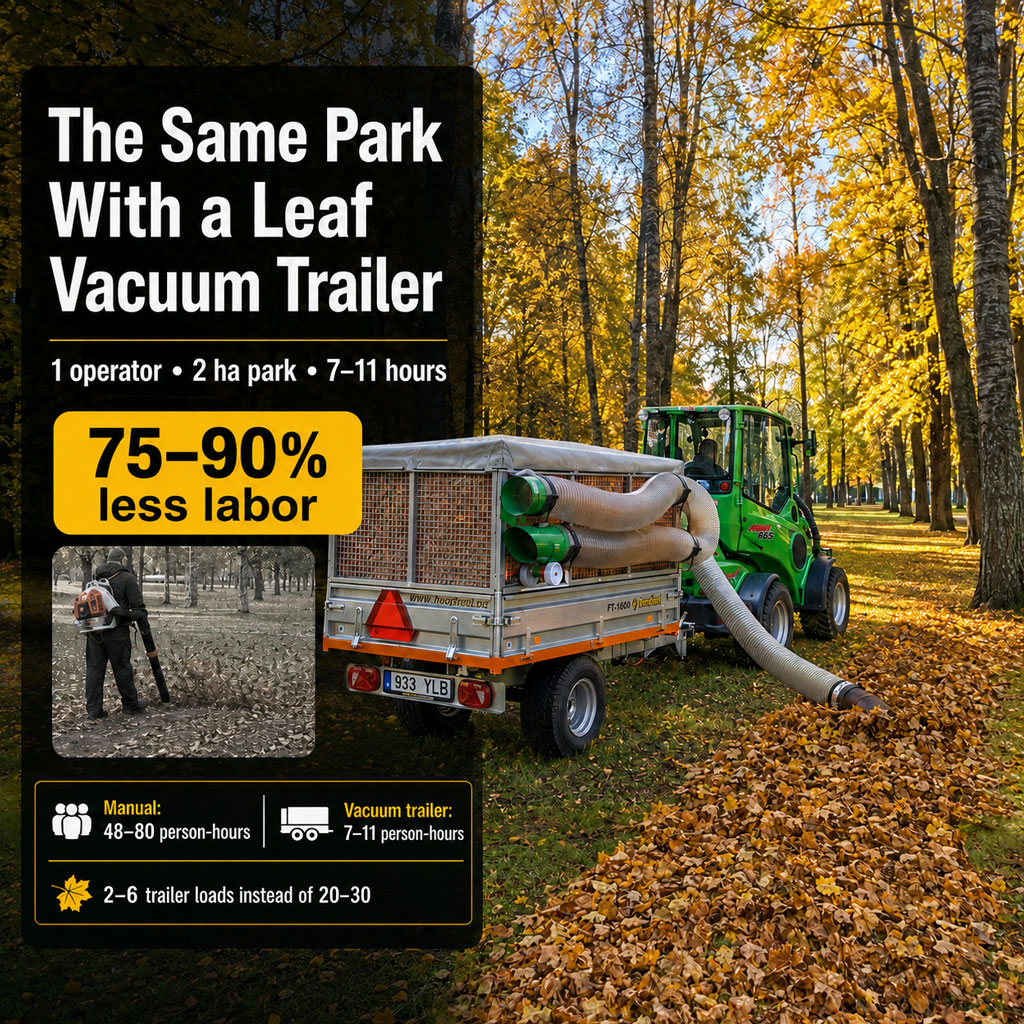
Most time spent on leaf collection is not actually spent collecting. It goes to handling, loading, transporting, and dumping. Reducing total time by 50–80% comes from eliminating these surrounding steps.

A professional debris loader needs to survive daily use across a 6-8 month season, handle variable materials, and deliver consistent performance year after year. Here is what separates professional from consumer grade.
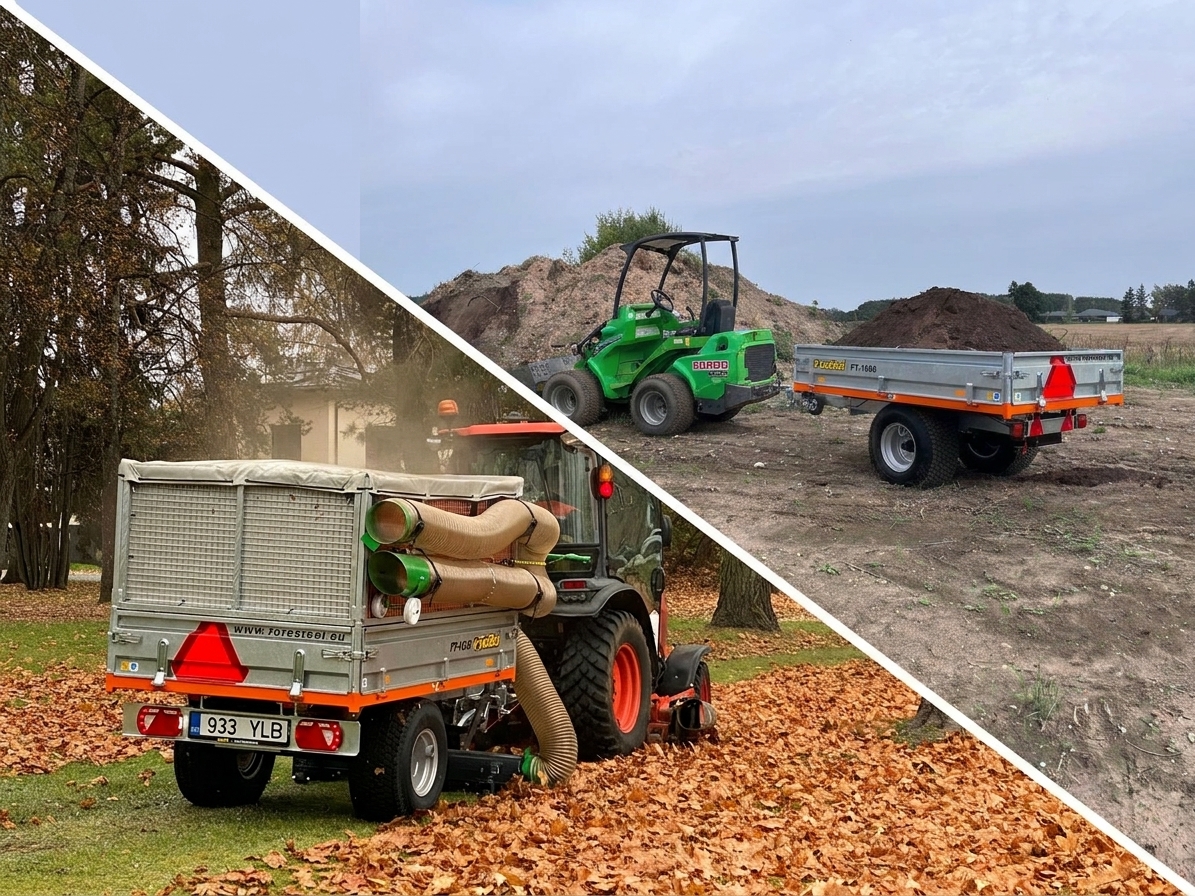
A 2-in-1 leaf trailer works as a leaf vacuum and shredding collector during autumn, and as a standard hydraulic tipping trailer the rest of the year. The vacuum detaches in under 30 minutes.
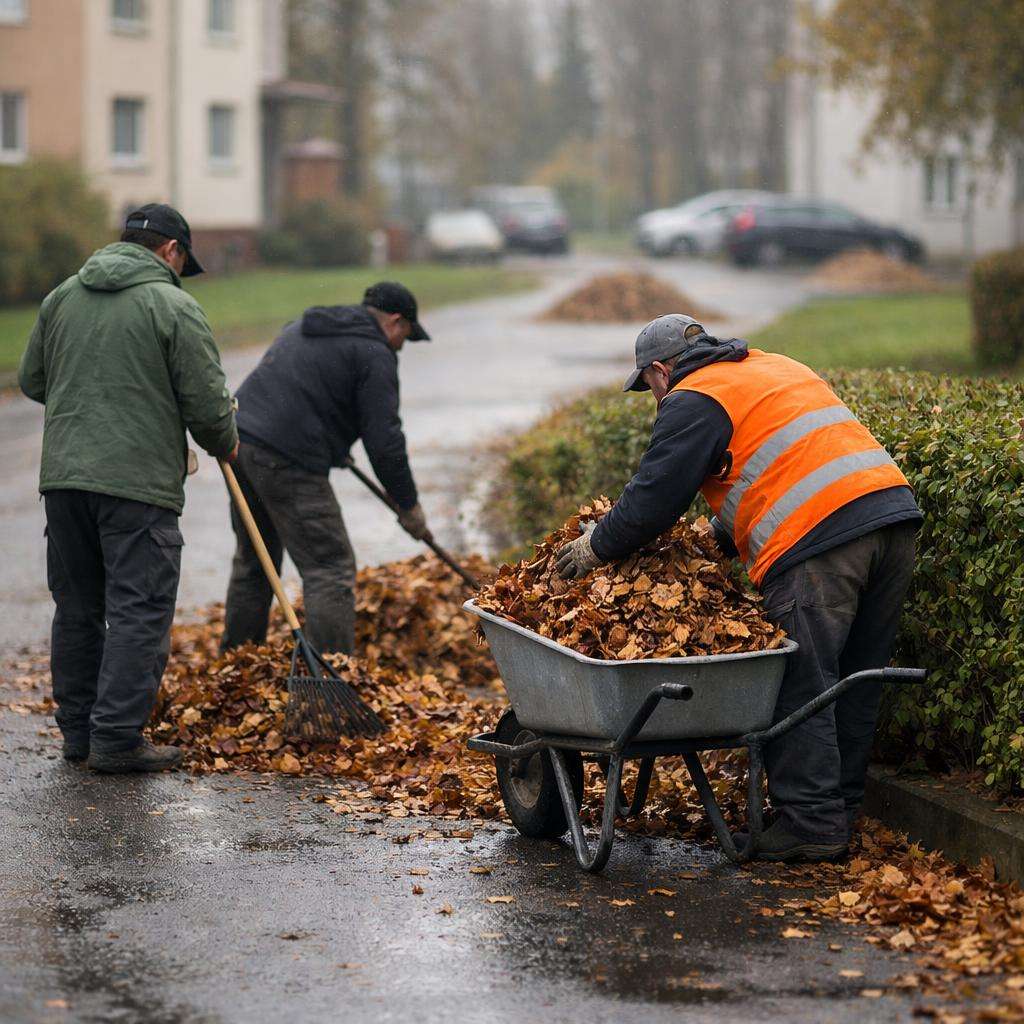
For landscaping contractors, leaf season is the busiest and hardest to staff. Equipment that multiplies what each existing worker accomplishes is more effective than adding temporary headcount.

Small municipalities face the same leaf cleanup demands as larger towns but with fewer workers, smaller budgets, and less specialized equipment. The right equipment is purpose-built for small crews.
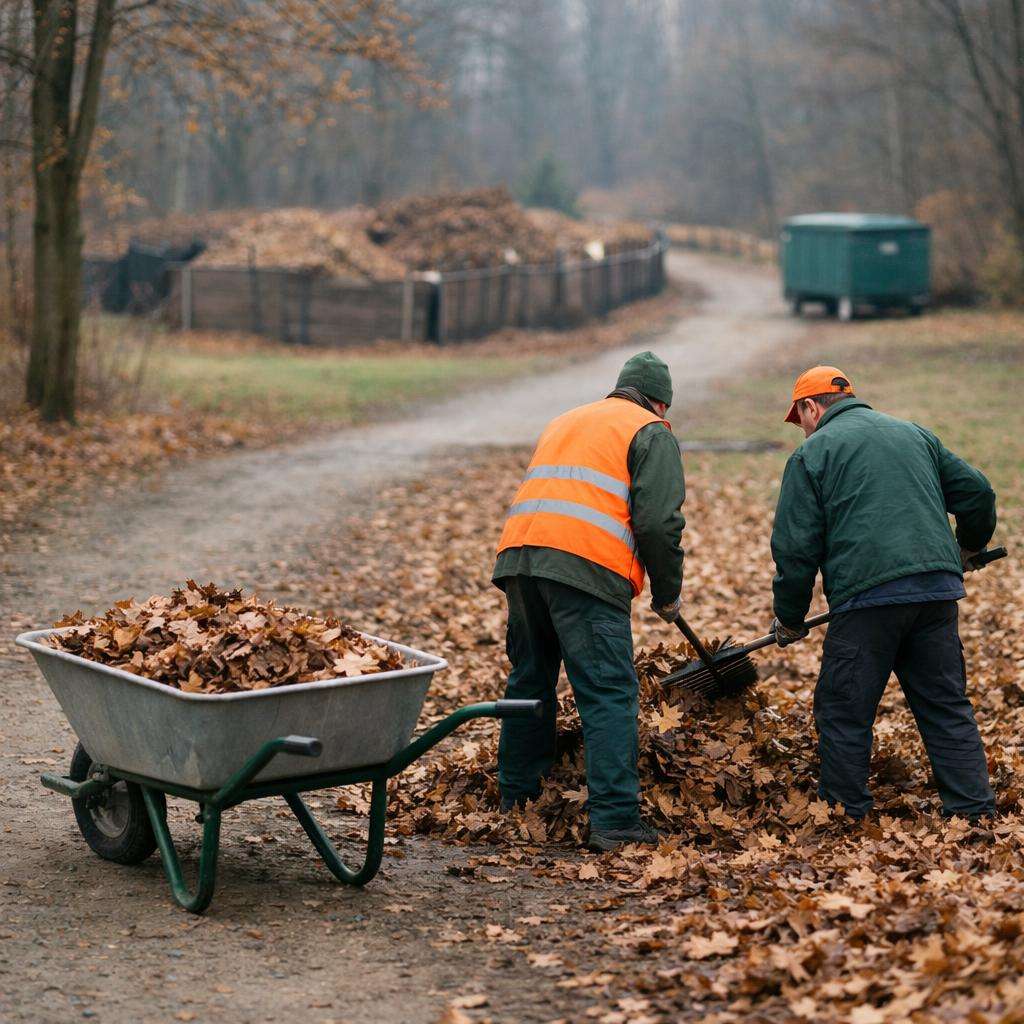
The single most underestimated factor in leaf collection efficiency is volume reduction through shredding. Shredded leaves occupy roughly 10% of the volume of loose dry leaves — changing the entire economics of the operation.

A blower moves leaves. A vacuum trailer or debris loader collects them. These are fundamentally different actions, and choosing the right tool depends on what your operation needs to accomplish.
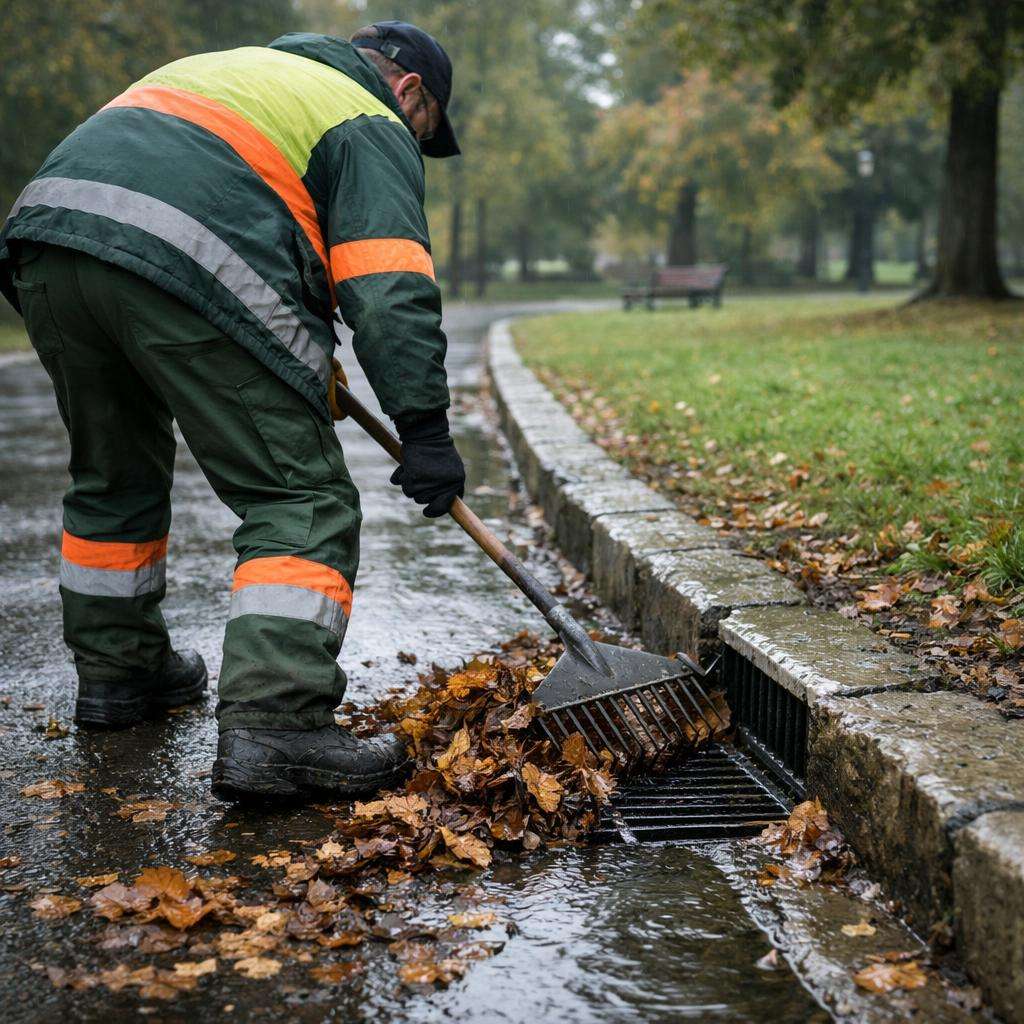
Wet leaves are where most cleanup methods break down. The solution is eliminating handling steps that wet conditions make worse. Direct vacuum collection keeps a small crew productive even in heavy rain.
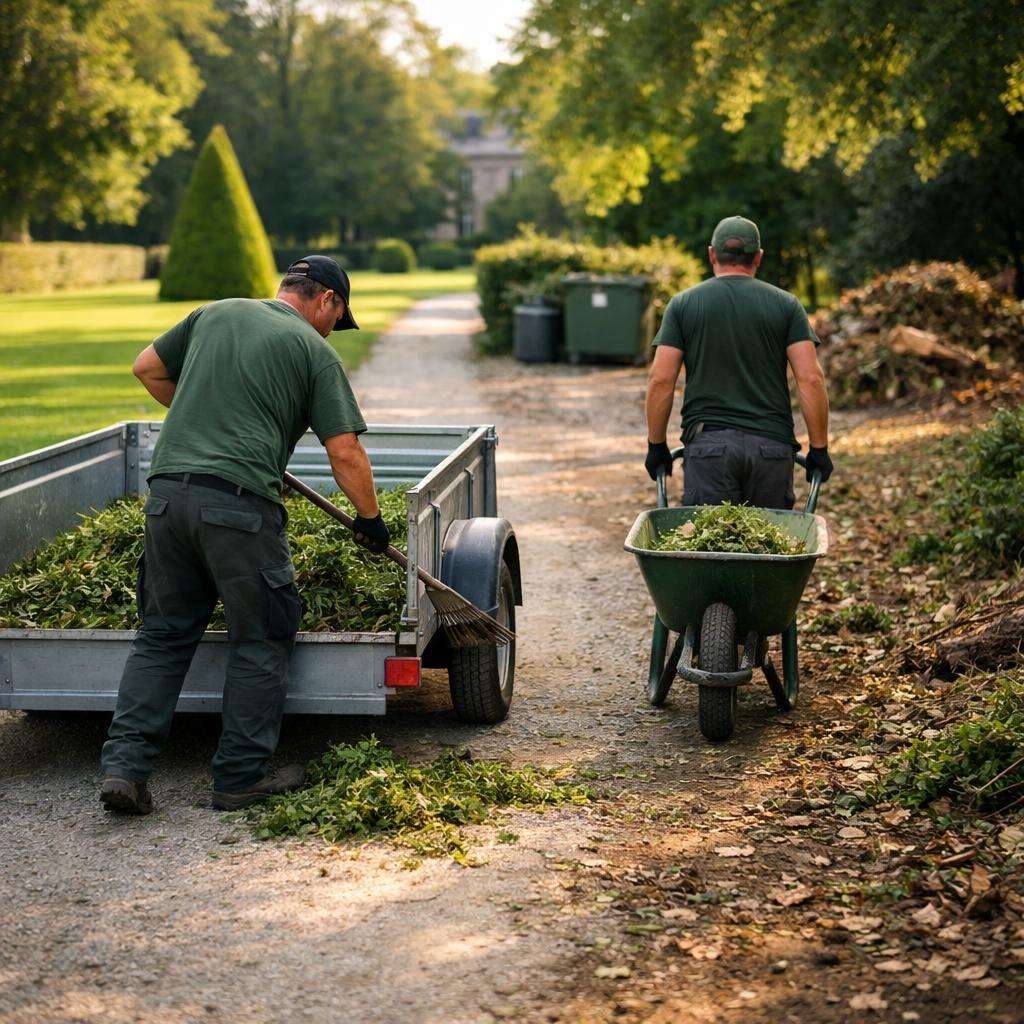
Choose a leaf vacuum trailer for a complete collection system. Choose a debris loader if you already have a trailer. Both save major labor — the better option removes the most friction from your workflow.

Welcome to the Foresteel Blog! Here, we share insights from our customers, educational materials, as well as tips and tricks to help you work more efficiently. Stay up-to-date with product updates and developments, and read inspiring customer stories to see how they use Foresteel in their work.
Join our community of users and learn how Foresteel can be your partner in productivity.

 Compact, efficient professional equipmentReduce labour. Lower costs.Made in Estonia, EuropeDelivered across Europe and beyondBuilt for daily work