



Leaf Cleanup for Contractors: How to Scale Without Hiring More People
For landscaping and grounds maintenance contractors, leaf season is simultaneously the busiest period and the hardest to staff. Clients need properties cleared on tight schedules, often within specific windows between rains. Adding crew to handle the volume is expensive, slow (finding reliable seasonal workers is increasingly difficult), and creates management overhead.
The more effective path to scaling leaf cleanup capacity is equipment that multiplies what each existing worker can accomplish per hour — not adding headcount.
The Contractor’s Leaf Season Problem
Most contractors enter leaf season with a crew sized for their regular mowing, planting, and maintenance contracts. Leaf cleanup suddenly doubles or triples the volume of work across the same client base, in a compressed timeframe (typically 6–8 weeks of peak activity).
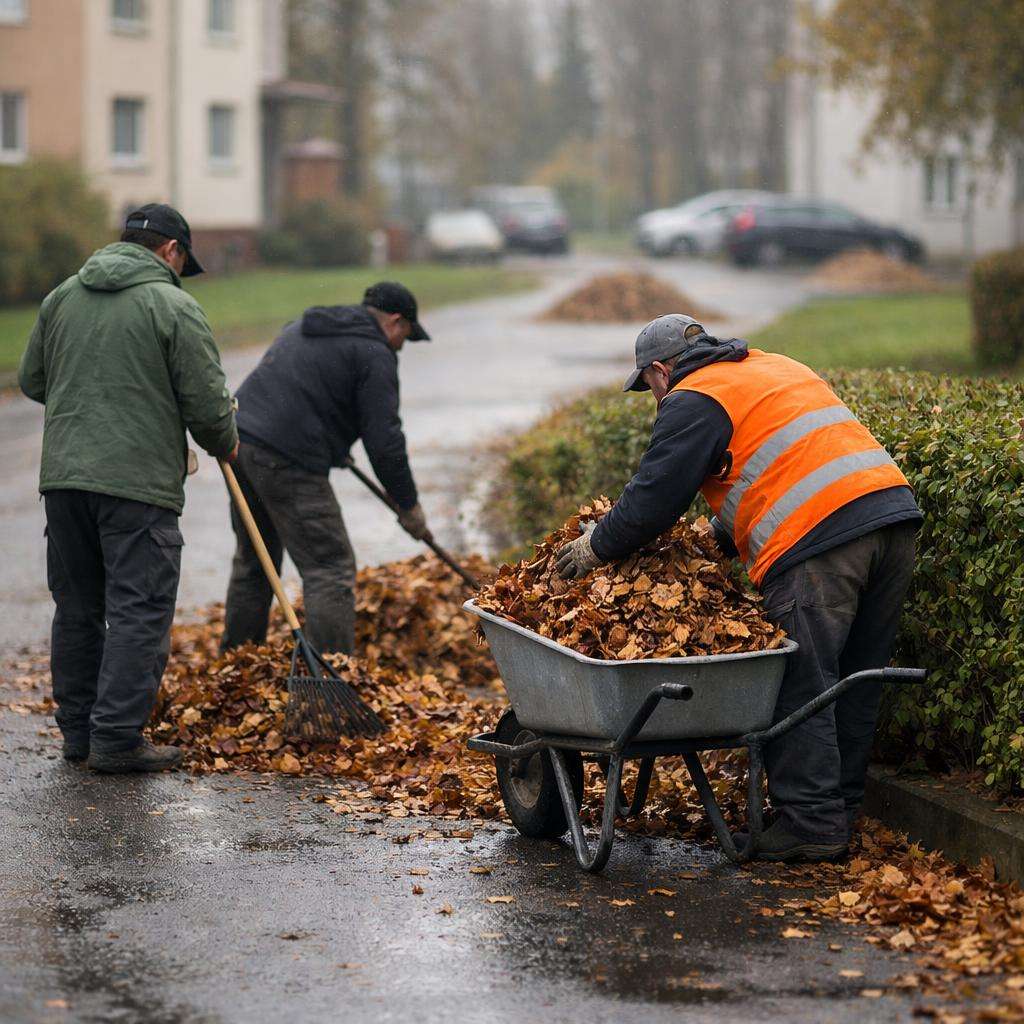
The traditional response — hiring temporary workers — creates costs that often erase the profit from seasonal leaf contracts: recruitment time, training, supervision, insurance, and the reality that temporary workers are less productive than experienced crew. And those workers need to be let go after the season, starting the cycle over next year.
Equipment as a Scaling Strategy
The alternative is equipping your existing crew with tools that increase output per person by 3–5x for leaf collection specifically. A professional debris loader or leaf vacuum trailer replaces the blow-rake-pile-load cycle with direct vacuum collection, where one operator does the work that previously required two or three.
The math is straightforward. If a crew of 3 using manual methods clears 5 residential properties per day during leaf season, the same crew with vacuum collection equipment typically handles 12–15 properties per day. That is more than double the revenue capacity with zero added payroll.
Which Equipment Route for Contractors?
Contractors generally have two good options.
Debris loader added to existing fleet: If you already run flatbed trailers, dump trailers, or trucks with leaf boxes, a standalone debris loader is the most capital-efficient upgrade. It mounts on or connects to equipment you already own and use for other work. No new trailer purchase needed.
Leaf vacuum trailer as additional unit: If your operation needs a self-contained solution that any crew can grab and deploy — or if you want the 2-in-1 utility of a tipping trailer during non-leaf months — a complete leaf vacuum trailer is the simpler path. It works with any tow vehicle in your fleet (lawn tractor, UTV, compact tractor, or truck).
Pricing Leaf Cleanup Services Profitably
Contractors who invest in vacuum collection equipment can price leaf cleanup more competitively because their per-site cost drops dramatically. Where a manual crew might need to charge for 4 person-hours per residential property, a vacuum-equipped operator completes the same work in 1–1.5 hours. You can pass part of that savings to the client (winning more contracts) and keep part as margin (improving profitability).
Seasonal leaf cleanup contracts become a reliably profitable service line rather than a break-even obligation tied to keeping client relationships through winter.
Ready to add collection capacity? Explore Foresteel debris loaders and leaf vacuum trailers, or read the full Municipal Leaf Collection Guide for the complete equipment overview.


 Compact, efficient professional equipment