
Playground equipment accumulates bird droppings, algae, mould, and general grime that creates both hygiene and safety risks. Regular pressure washing keeps playgrounds safe and presentable.

Playground equipment accumulates bird droppings, algae, mould, and general grime that creates both hygiene and safety risks. Regular pressure washing keeps playgrounds safe and presentable.

Bus shelter cleaning is one of the most repetitive municipal maintenance tasks. The biggest time cost is not the cleaning itself — it is getting water and equipment to each location.

For professional groundskeeping teams with cleaning tasks spread across multiple locations, a mobile self-contained pressure washer almost always saves more time than a fixed installation.

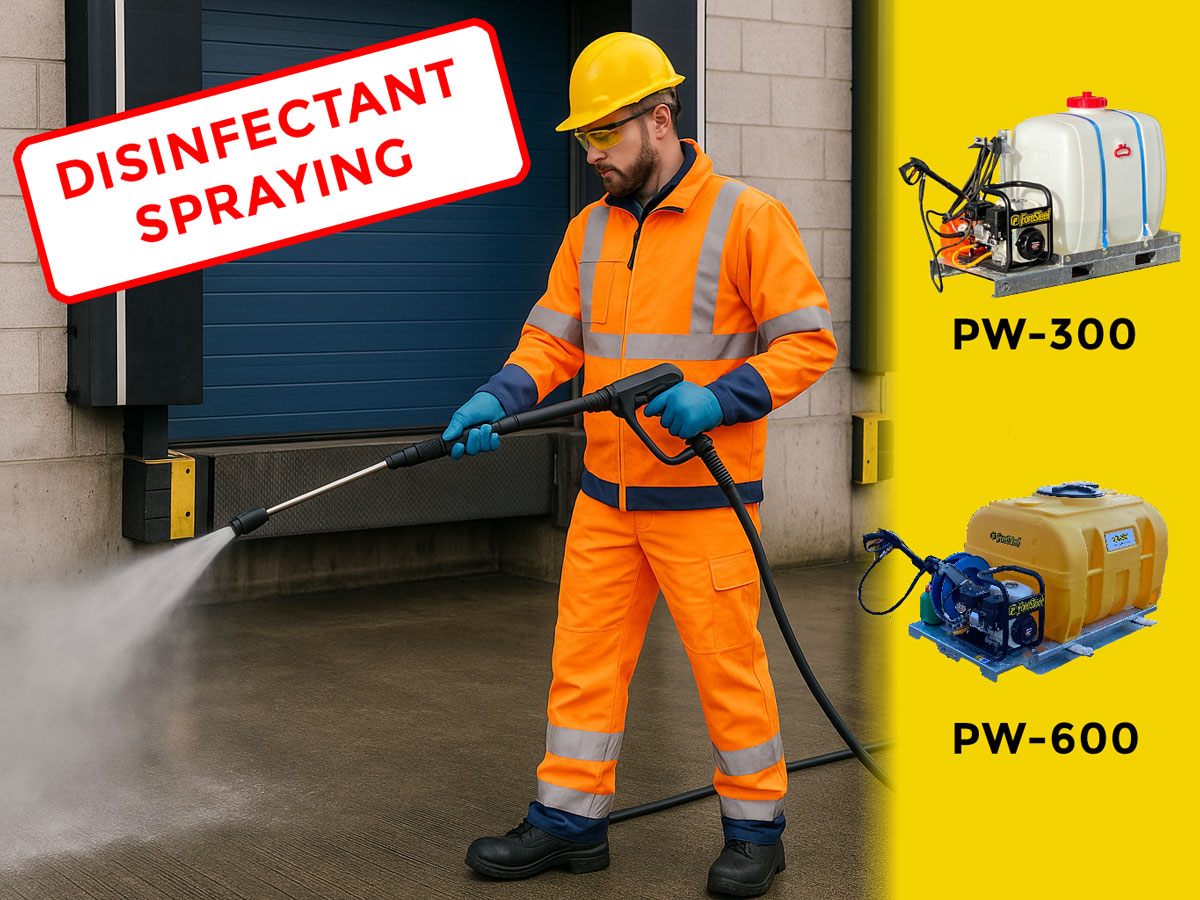
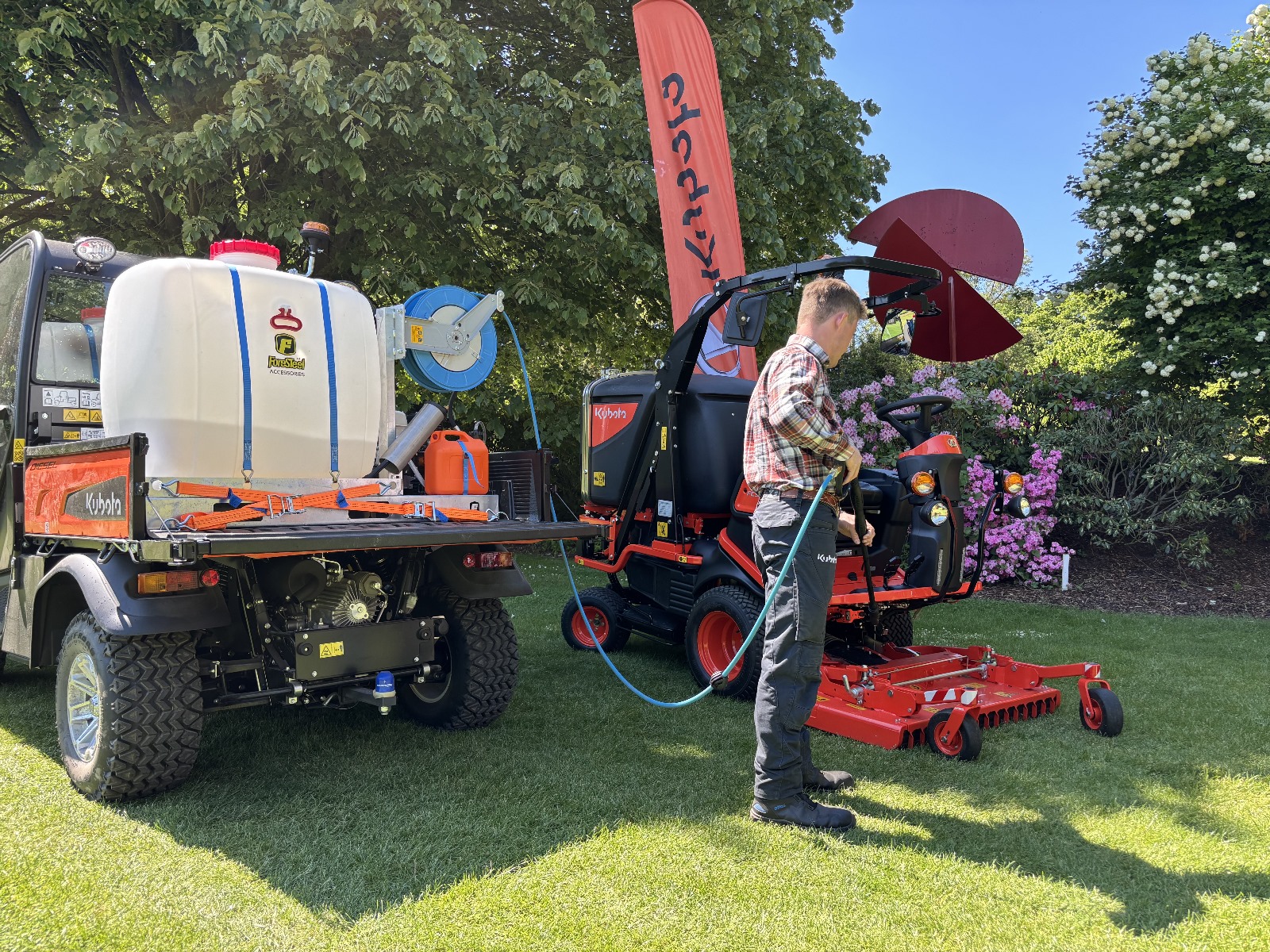
Not every cleaning job needs the same setup. The Foresteel PW-series is built around different tank sizes — from compact units for UTVs to larger setups for pickups and flatbeds. One concept, different capacities.

Most municipalities upgrade from manual methods in stages. Here is the typical path — from raking and blowing to vacuum collection — and the decision points at each stage.

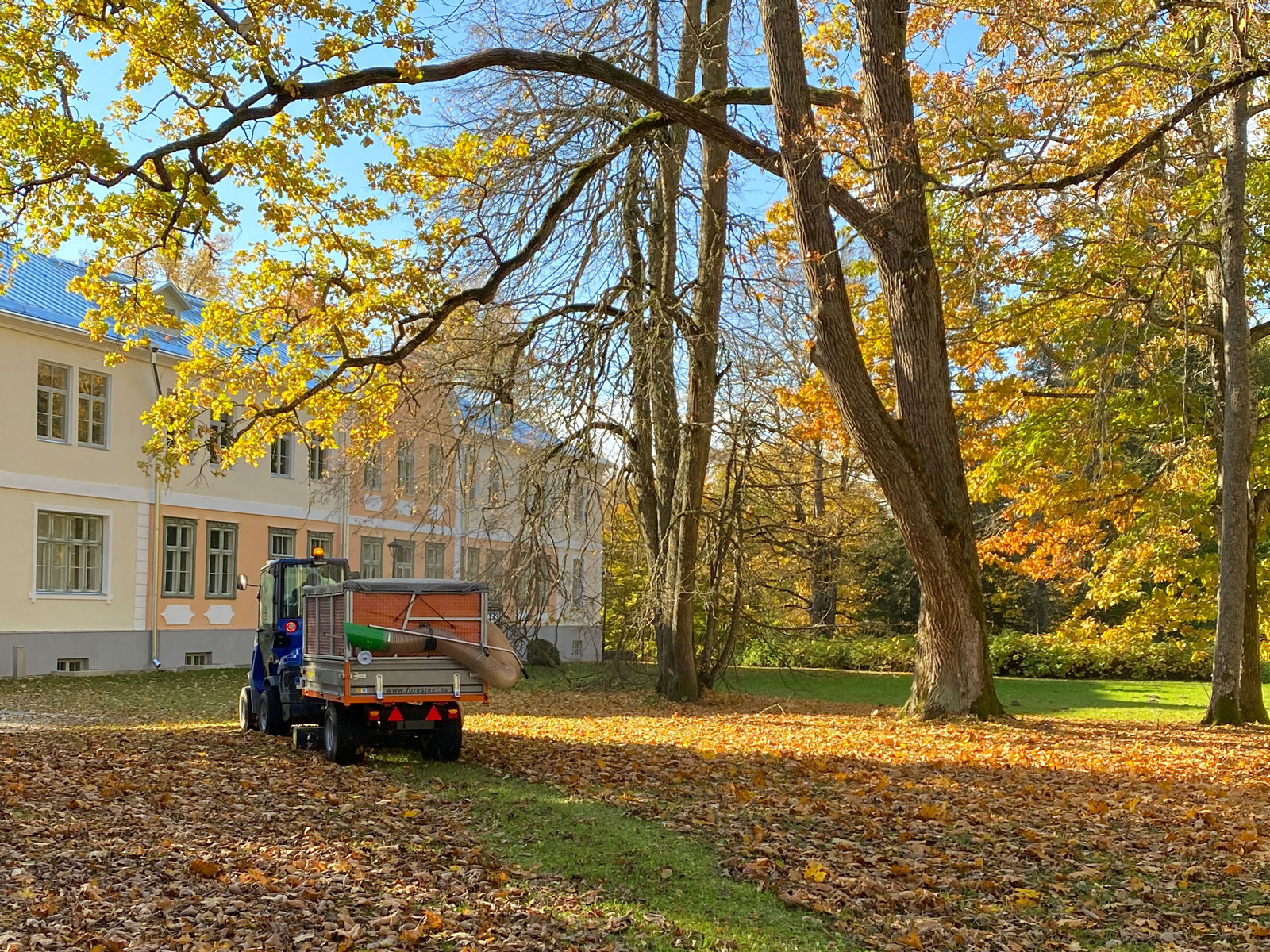
The purchase price of a debris loader is roughly 30–40% of its total cost over a 10-year service life. Understanding where real costs accumulate helps you make better buying and maintenance decisions.

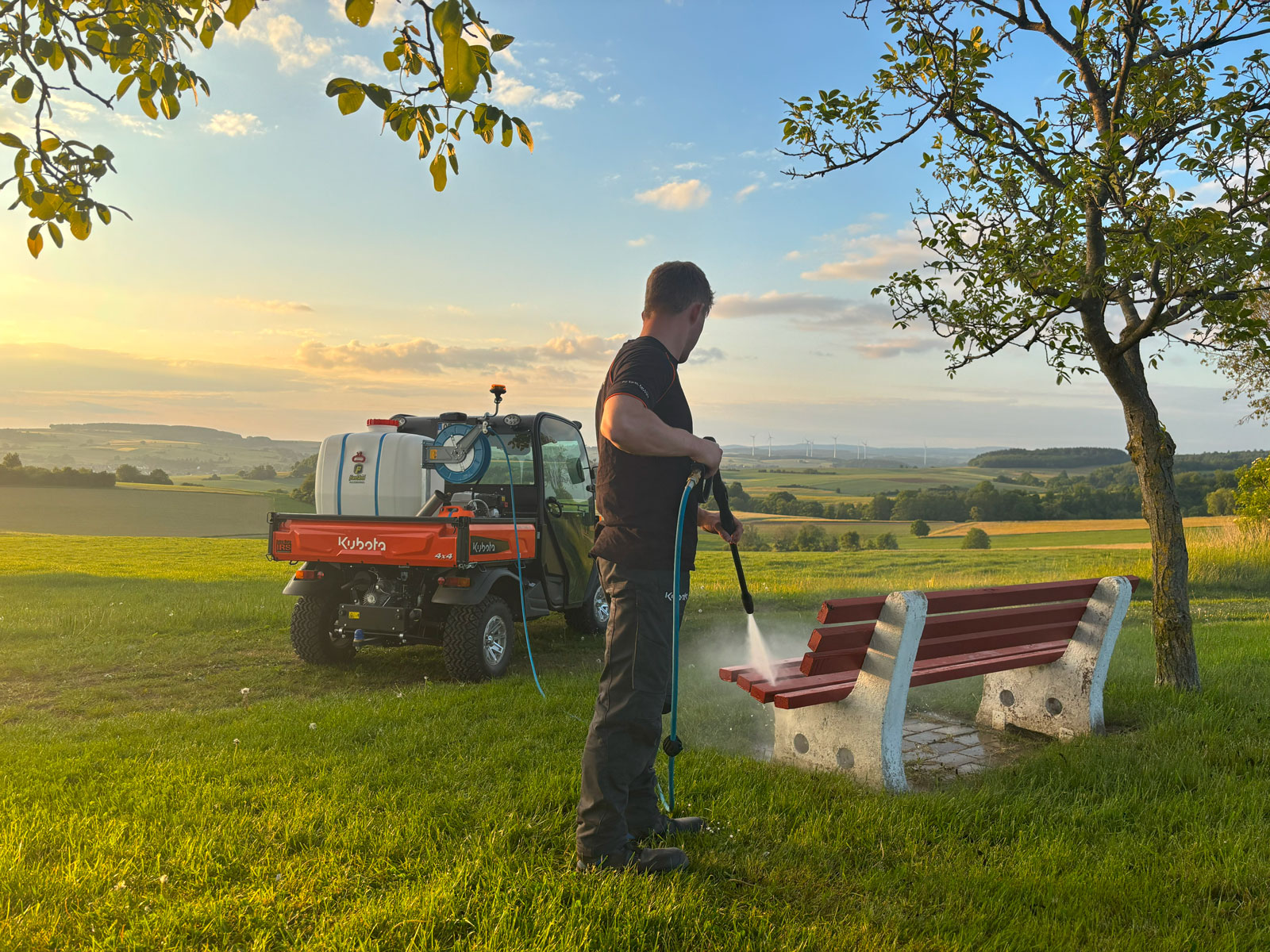
The places that need washing the most — park areas, cemetery paths, remote bin stations, machines parked outside, public spaces after events — are rarely next to a water point. A mobile pressure washer brings the water to the work.

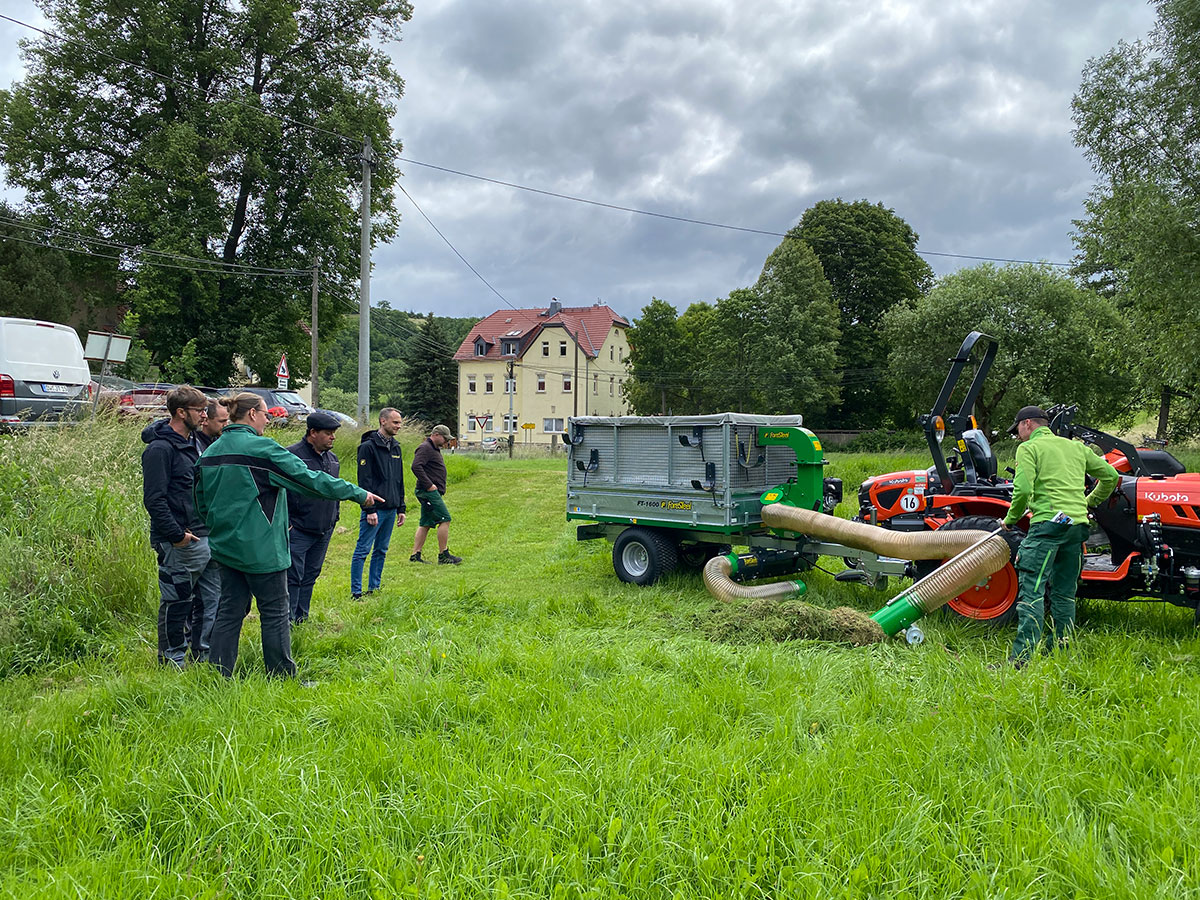
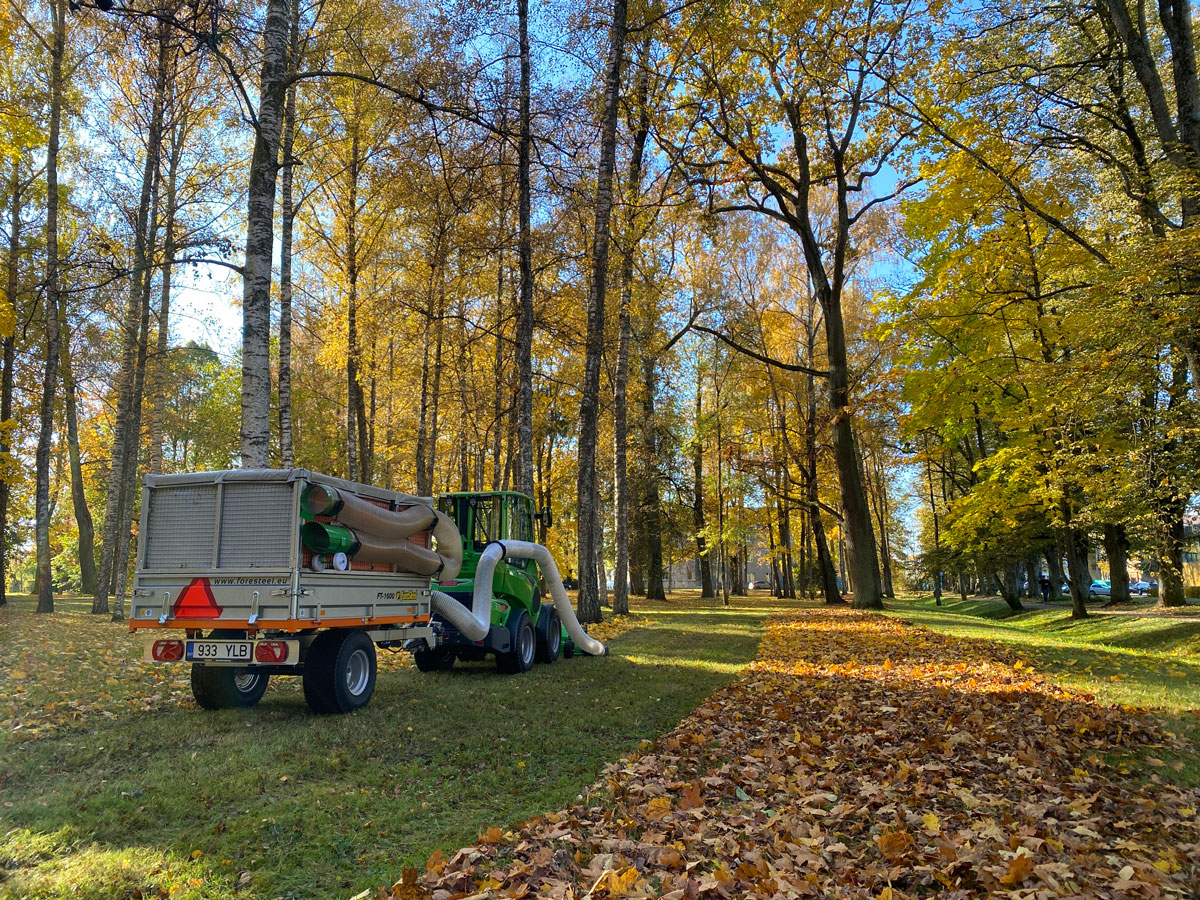
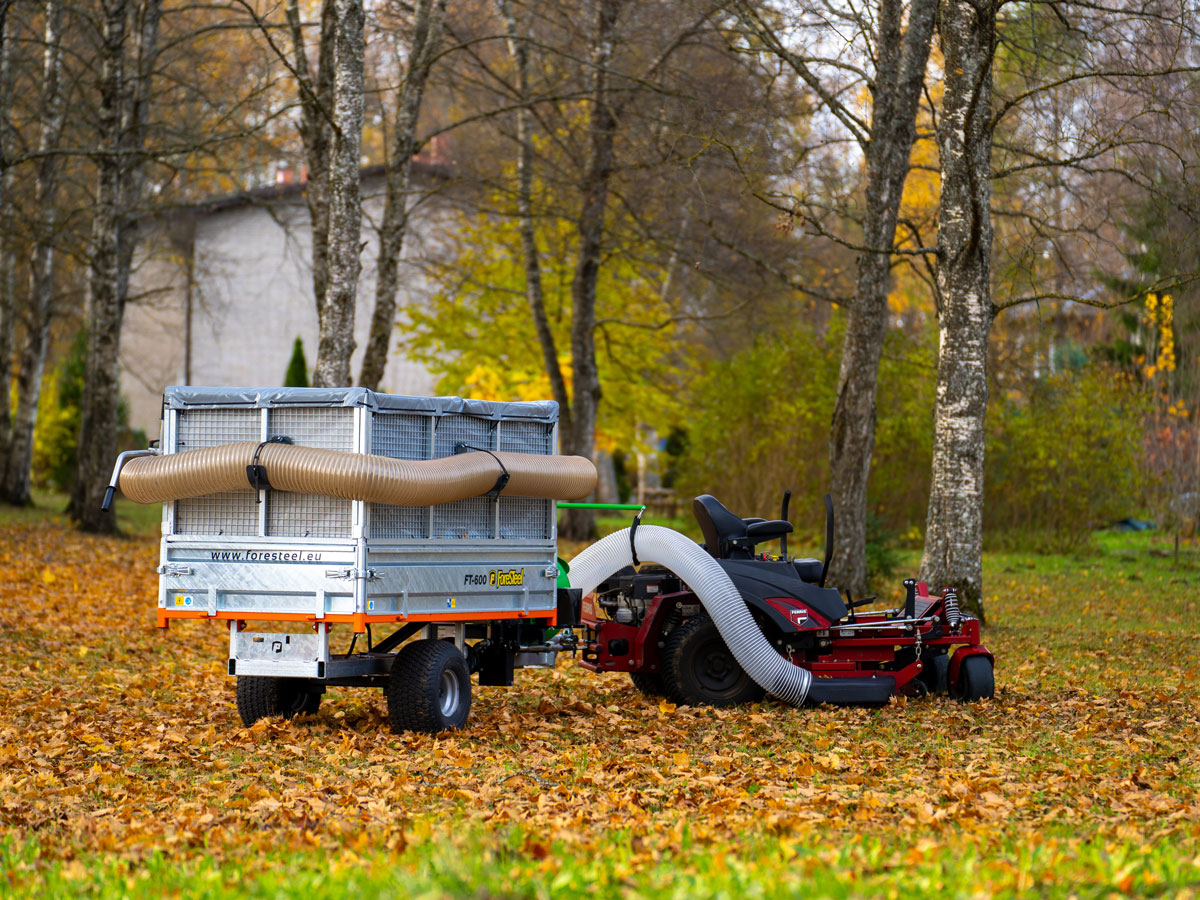
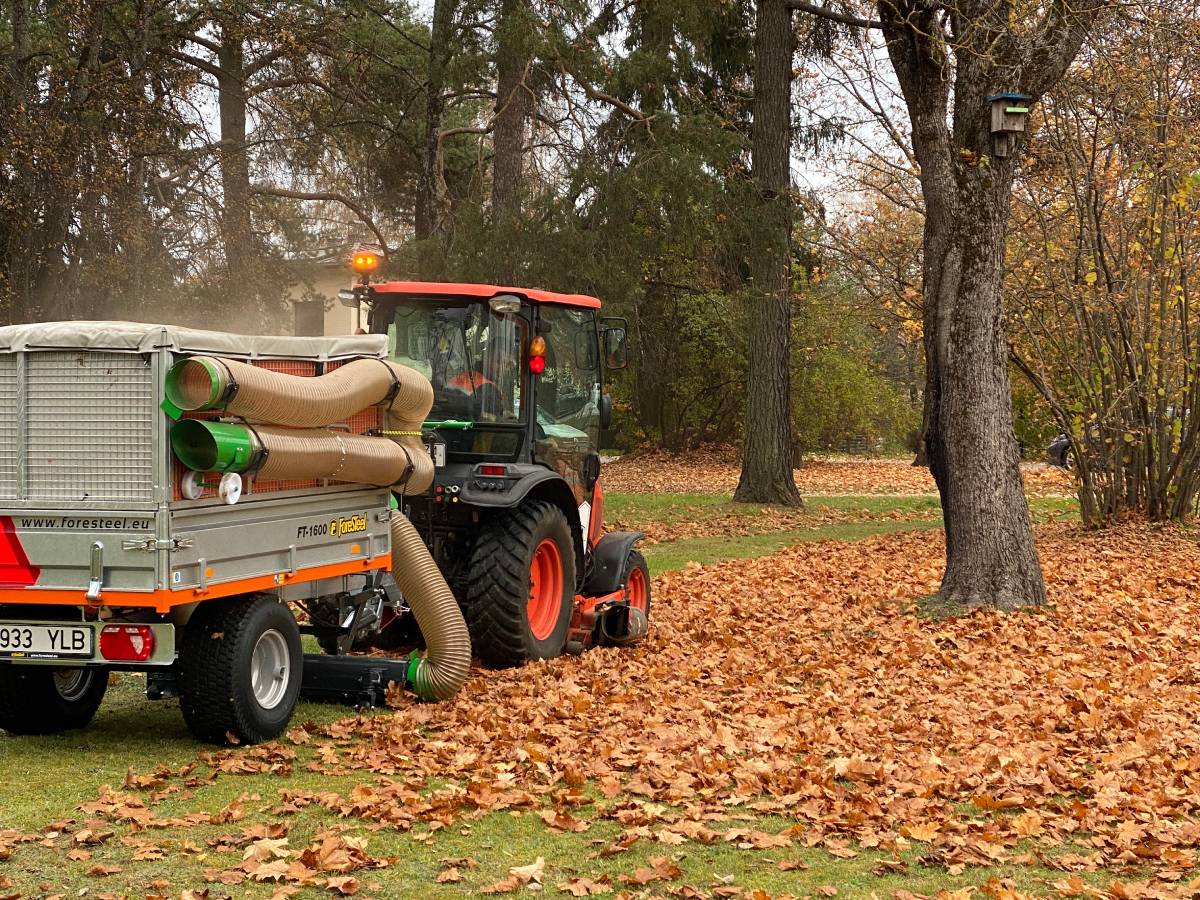
The performance of a debris loader or leaf vacuum trailer depends as much on the tow vehicle as on the vacuum unit itself. Here is how each common tow vehicle matches with professional leaf collection equipment.

Inefficient leaf cleanup operations usually fail for predictable reasons. Here are the seven most common mistakes and how to avoid each one.

It starts as a quick washing job. Then someone needs to find the pressure washer, load the hoses, check fittings, arrange water access, grab detergent, and make everything fit in the vehicle. The actual washing takes 15 minutes. The preparation took an hour.

Most time spent on leaf collection is not actually spent collecting. It goes to handling, loading, transporting, and dumping. Reducing total time by 50–80% comes from eliminating these surrounding steps.

A professional debris loader needs to survive daily use across a 6-8 month season, handle variable materials, and deliver consistent performance year after year. Here is what separates professional from consumer grade.

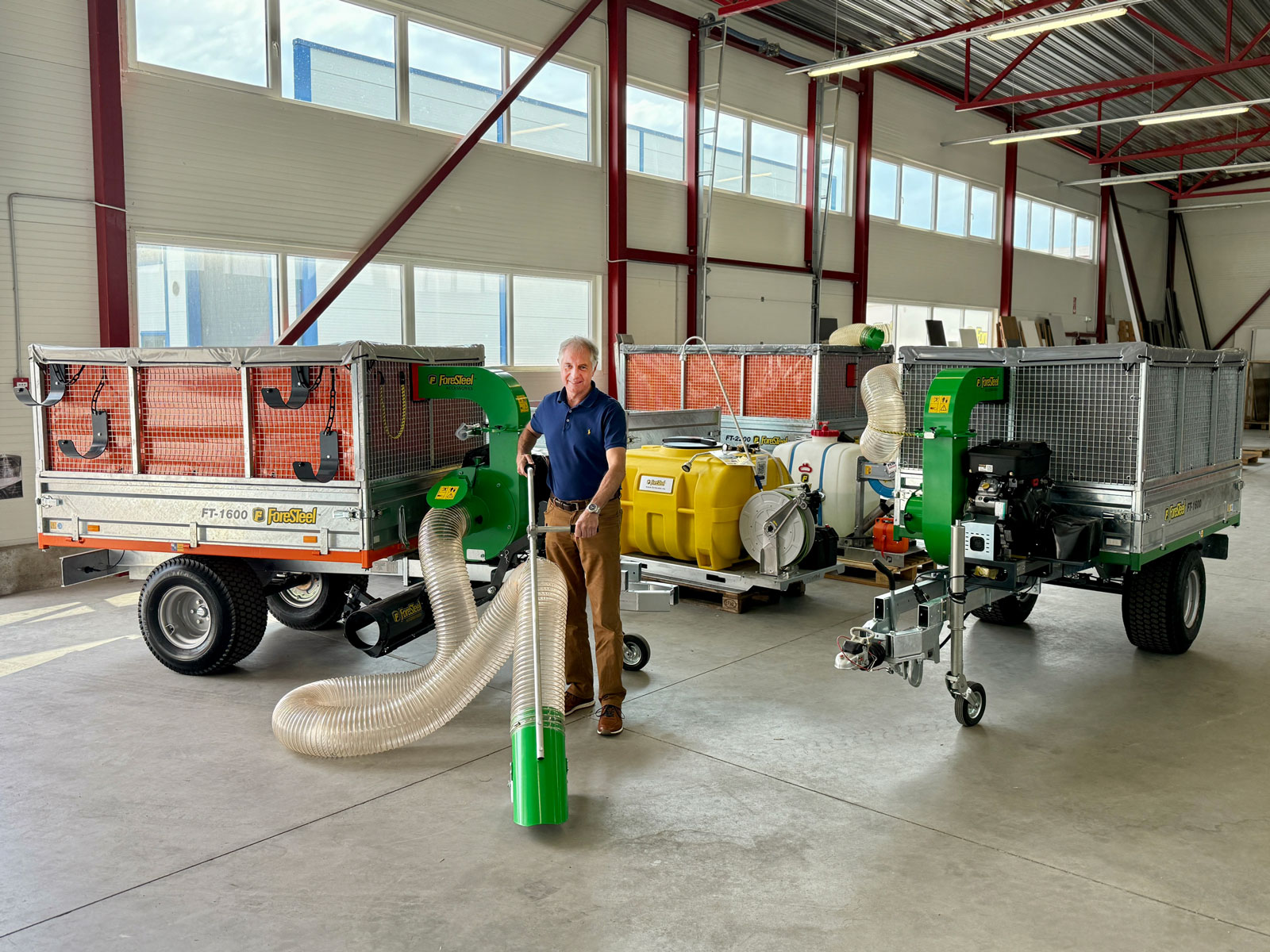
A 2-in-1 leaf trailer works as a leaf vacuum and shredding collector during autumn, and as a standard hydraulic tipping trailer the rest of the year. The vacuum detaches in under 30 minutes.

For landscaping contractors, leaf season is the busiest and hardest to staff. Equipment that multiplies what each existing worker accomplishes is more effective than adding temporary headcount.

Fixed irrigation systems cover fixed points. Mobile water bowsers cover everything else — seasonal planters, verge trees, remote sections, and anywhere the tap is not close enough. Platform vs. trailer, tank sizing, and zero-emission options explained.

Small municipalities face the same leaf cleanup demands as larger towns but with fewer workers, smaller budgets, and less specialized equipment. The right equipment is purpose-built for small crews.